There's a right time and a wrong time to install smart home technology. The wrong time is after the walls are closed and you're threading wires through finished drywall. The right time is during a renovation — specifically during rough-in, before insulation goes in and drywall goes up. At that stage, running an extra conduit or pulling an additional wire costs almost nothing. Two years later, the same work requires cutting open walls, patching, and repainting. If you're doing a renovation in Maryland, Virginia, or DC, here's what's actually worth building in while you have the chance — and what you can safely skip or add later.
Structured Wiring: The Infrastructure That Supports Everything Else
Every smart home technology recommendation eventually comes back to one foundation: a good structured wiring setup. That means a central distribution point (a small enclosure in a utility closet or basement) where all low-voltage wiring — ethernet, coax, speaker wire, security — terminates. From there, runs go to every room where you'd conceivably want a wired connection. Cat6 ethernet to every bedroom, the home office, the living room media wall, and the kitchen is the single most valuable low-voltage investment you can make during a renovation. Wi-Fi is convenient, but wired ethernet is faster, more reliable, and eliminates the dead-zone problems that plague multi-story DMV homes with thick walls or metal lath plaster. Run the wire now; you don't have to use it immediately.
Lighting Control: Where Smart Technology Actually Delivers
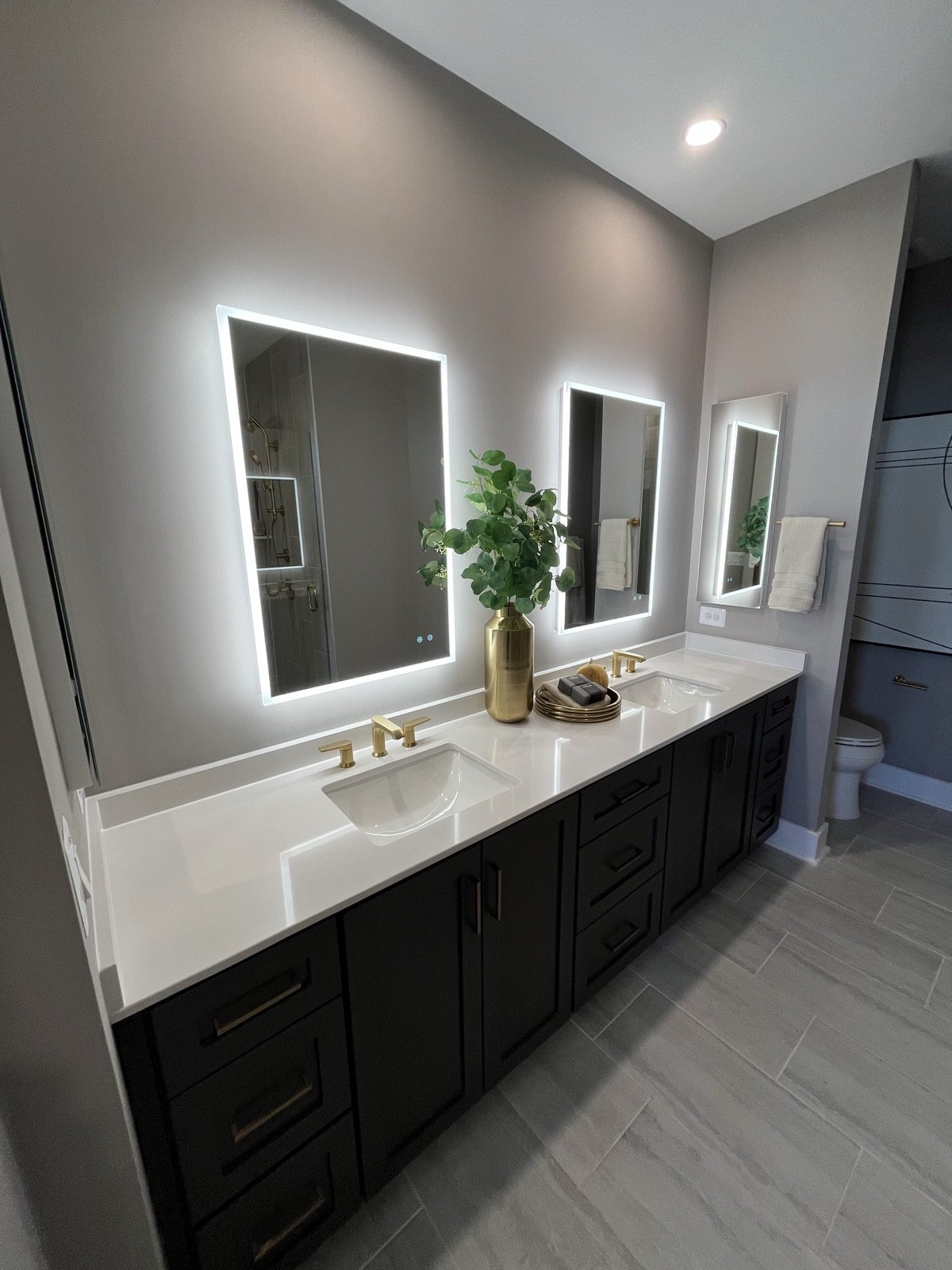
Smart lighting control — dimmers that respond to schedules, occupancy, and voice or app commands — is one of the areas where the technology has genuinely matured. Lutron Caseta and RadioRA systems, in particular, have a reputation for reliability that most smart home categories can't match. If you're doing a full electrical rough-in during a renovation, specifying dimmers with smart capability at every switch location is worth the modest upcharge. The key: choose a system and stick to it. Mixing protocols (Z-Wave switches, Zigbee bulbs, Wi-Fi plugs) creates compatibility headaches and reliability problems. Pick one ecosystem and wire for it consistently.
Whole-Home Audio: Decide Before the Walls Close
In-ceiling and in-wall speakers need to be positioned before drywall — the speaker location, the wire run to the amp location, and the amp location itself all need to be planned in advance. If you want music in the kitchen, the primary bathroom, the screened porch, and the master bedroom, that's four speaker pairs that need to be roughed in during construction. Sonos Architectural speakers (formerly Sonance) with a Sonos Amp are the most reliable whole-home audio system we've installed in DMV homes — the app is mature, the sound quality is genuine, and the system integrates with every major smart home platform. Plan the location of the central amp equipment in the structured wiring area.
Security and Access Control: What's Worth Wiring In
Smart locks on exterior doors are one of the few smart home features that are genuinely easier to add after the fact — a Schlage Encode or Yale Assure replaces a standard deadbolt in 30 minutes and doesn't require any wiring. Where pre-wiring pays off in security is cameras (run conduit to each camera location so you're not dealing with visible exterior cable runs) and the video doorbell (hardwire it to an existing doorbell transformer rather than relying on battery). A hardwired security system — contact sensors on doors and windows, motion sensors, glass break — is more reliable than a fully wireless system and worth doing during a renovation when wiring is straightforward.
What to Skip or Add Later
Smart thermostats (Ecobee, Nest) are a simple retrofit that doesn't require any advance planning — add one any time. Smart appliances — refrigerators with cameras, ovens you can control from your phone — are largely marketing; the connectivity features rarely get used and the reliability record on integrated electronics in appliances is poor. Motorized window shades are worth wiring for (run low-voltage wire to each shade location) if you're doing a significant renovation, but the shades themselves can be added later. Voice assistant hubs work entirely wirelessly and can be added whenever you want them.
If you're planning a renovation and want to talk through what makes sense to rough in for your specific project and home, we're glad to help you think through the infrastructure decisions before the walls close. Reach out for a free, no-obligation consultation.