Walk into any well-appointed home in Bethesda, McLean, or Old Town Alexandria and you'll notice the millwork before you consciously register it. Crown molding at the ceiling, wainscoting on the dining room walls, thick baseboards with proper reveals, a coffered ceiling in the study. These details don't shout — they build an impression of quality that works on visitors and buyers alike without a single renovation to the floor plan.
For DMV homeowners who want to meaningfully upgrade a home's interior without a full gut renovation, millwork is one of the highest-impact paths available. Here's a guide to the main options and how to think about them.
Crown Molding
Crown molding — the decorative trim at the intersection of wall and ceiling — is the most familiar millwork upgrade and one of the most effective. Homes with no crown or thin builder-grade cove molding look unfinished compared to well-trimmed rooms with proper crown profiles.
The scale of crown matters. A 3-inch colonial profile looks thin in a room with 10-foot ceilings — it disappears. A proper 5- to 7-inch built-up crown (made from multiple stacked profiles) reads correctly at that height and creates a sense of finish. In rooms with 8-foot ceilings, a simpler 3.5- to 4.5-inch profile is proportionally appropriate.
Paint-grade MDF crown is the standard material for painted interiors — it's dimensionally stable, takes paint cleanly, and costs less than solid wood. For stained or natural finishes, poplar or pine is used. Budget $8–$18 per linear foot installed, depending on profile complexity.
Wainscoting and Wall Paneling
Wainscoting — paneling that runs from the baseboard to roughly chair-rail height (typically 32–42 inches) — adds texture, visual weight, and a period-appropriate character to dining rooms, entry halls, stairwells, and primary bedrooms. The most common forms:
- Raised panel: Traditional, formal. Works well in Colonial, Federal, and Georgian homes throughout DC and suburban Maryland.
- Flat panel (shaker-style): Cleaner, more transitional. The most popular choice in current renovations across the DMV.
- Board-and-batten: Vertical boards with flat battens over the seams. Farmhouse and transitional interiors. Less formal than raised panel but more dynamic than flat.
- Picture frame molding: Rectangular frames applied to a flat wall in geometric patterns, often used above a chair rail or full-height. Creates a bespoke look with relatively simple components.
Budget $15–$35 per square foot installed for wainscoting, depending on style and material. Full-height paneled walls (sometimes called a "library wall" treatment) run higher.
Coffered Ceilings
A coffered ceiling — a grid of recessed panels formed by intersecting beams or molding — is one of the most architectural interior upgrades available. It adds visual height to a room, creates a sense of formality and craftsmanship, and looks exceptional in dining rooms, studies, and great rooms. In DMV homes, coffered ceilings are increasingly common in renovated Colonial and Craftsman interiors where the original architecture suggests this level of detail.
A basic coffered ceiling using MDF beams and panels in a room up to 300 square feet runs $4,000–$9,000 installed. More complex designs with deeper beams or integrated lighting add cost. This is not a DIY project — the geometry requires precise layout, and execution determines whether the result reads as custom or approximate.
Interior Door and Casing Upgrades
Builder-grade hollow-core doors with narrow casing are one of the most telling signs of an unfinished or value-focused construction. Upgrading to solid-core doors with properly scaled, historically appropriate casing (wider profiles, back-banded reveals) changes how every doorway in a home reads. Solid-core doors also provide meaningful sound attenuation — a practical benefit in homes with open floor plans or shared walls.
Door replacement including casing and hardware runs $400–$900 per door installed. If you're doing a broader renovation, this is a line item worth including — the cumulative effect of upgraded doors throughout a home is substantial.
Built-In Bookshelves and Cabinetry
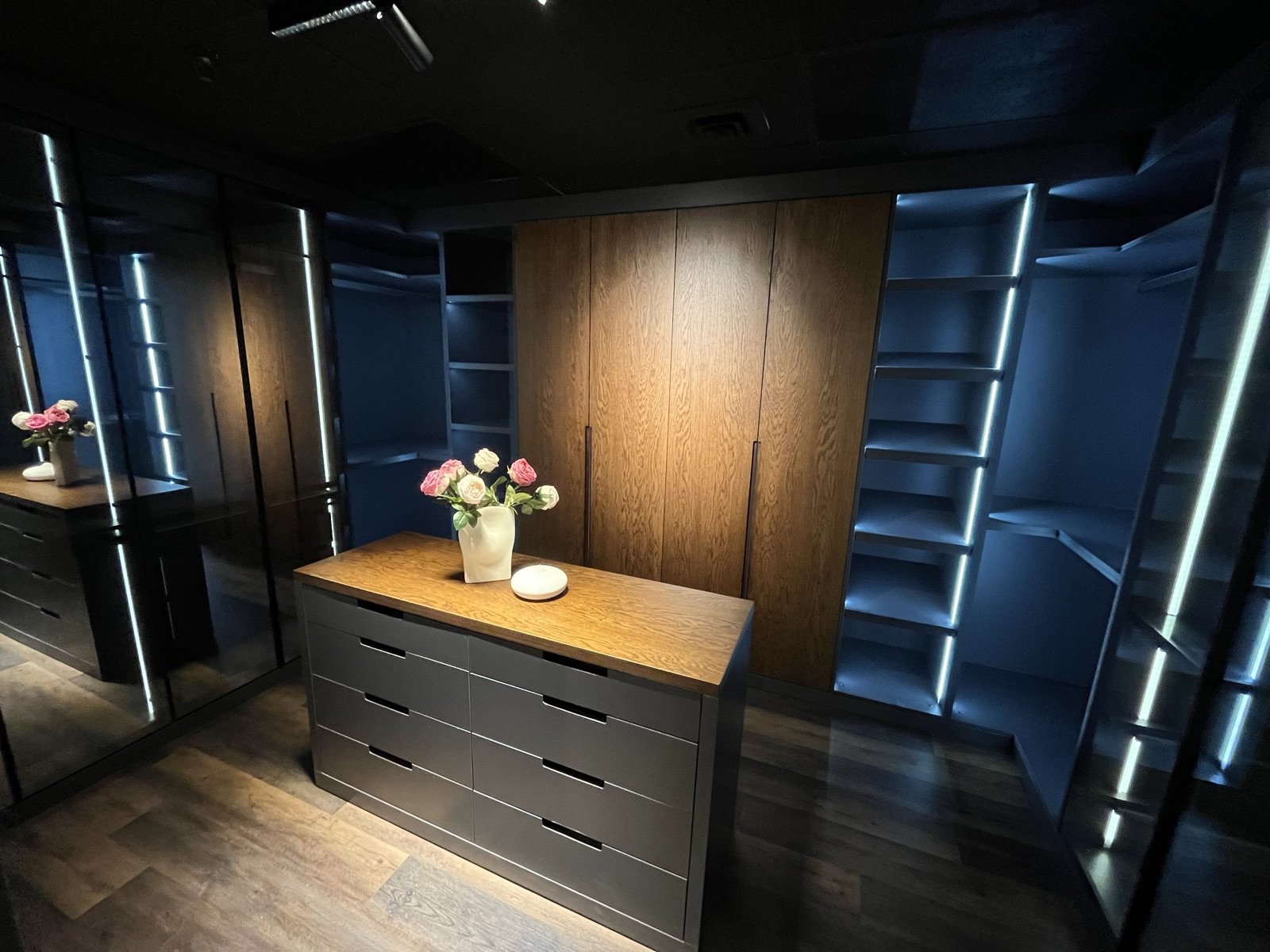
Built-in shelving flanking a fireplace, filling an awkward alcove, or lining a home office wall is millwork that earns back its cost in both function and impression. Properly proportioned built-ins with face-frame construction, adjustable shelves, and base cabinet storage below look designed rather than installed. Budget $800–$1,800 per linear foot for custom built-ins; ready-to-assemble cabinet systems in the $400–$800 per linear foot range are available for tighter budgets but require skilled finish carpentry to look integrated.
Matching Trim to Your Home's Architecture
One of the most common millwork mistakes in DMV renovations is mismatching the trim style to the home's architectural period. A farmhouse shiplap accent wall in a 1940s Bethesda Colonial reads as incongruous rather than characterful. Crown molding with a Craftsman bungalow profile in a 1990s traditional Colonial looks out of period. Before specifying trim details, identify your home's architectural character and choose profiles and styles that are consistent with it. A good finish carpenter or designer can walk you through historically appropriate options for your specific home type.