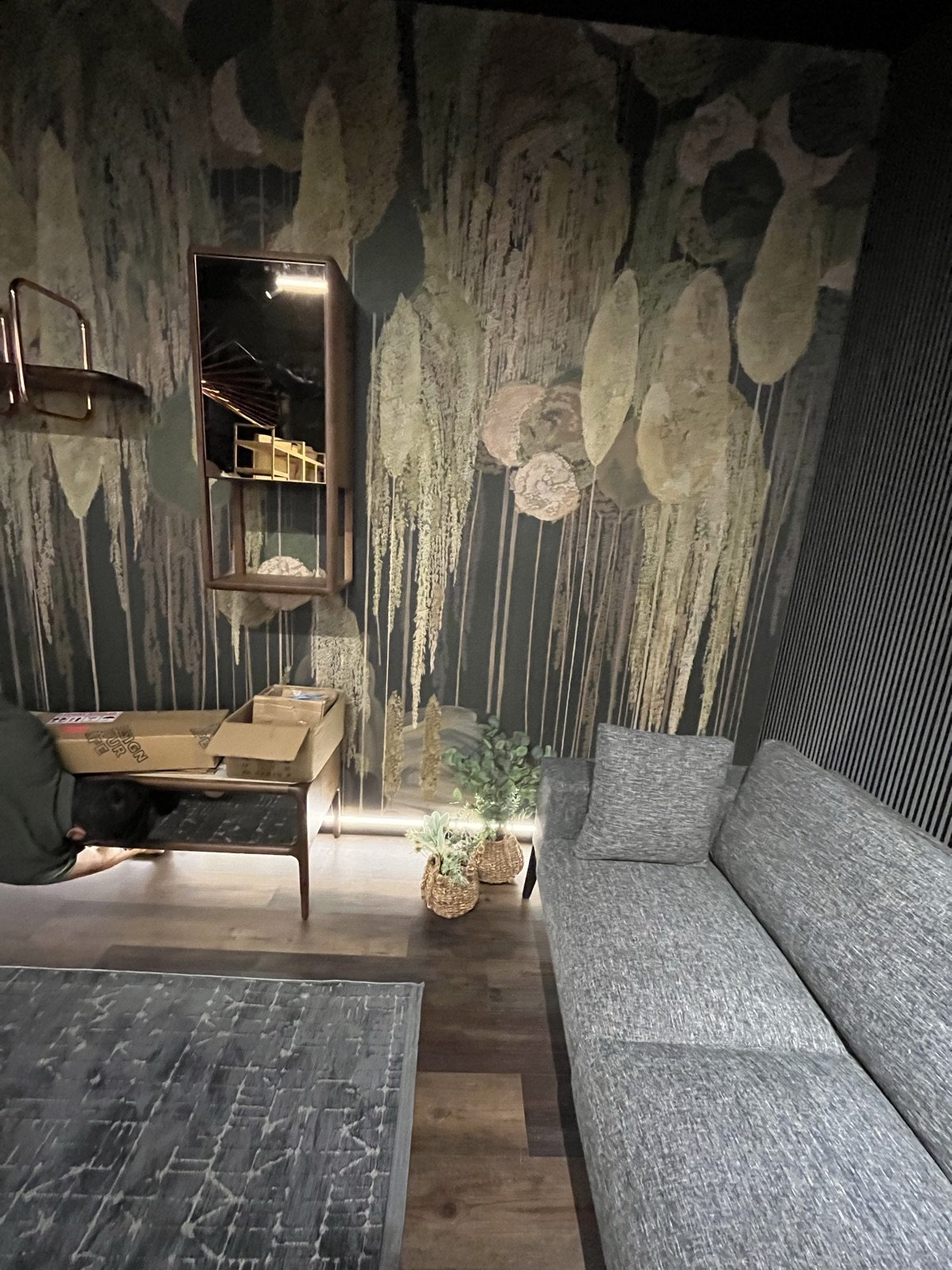
Five years ago, the flooring conversation for most DMV renovation clients was straightforward: hardwood on the main level, carpet in bedrooms, tile in bathrooms. Luxury vinyl plank has complicated that calculus meaningfully. LVP has improved dramatically in the quality tier available to homeowners — the realistic wood visuals, the thickness, the durability — and its price and installation advantages are real. But hardwood still has genuine advantages that LVP doesn't match. Here's how to think through the decision for your home.
Where Hardwood Still Wins
Hardwood's enduring advantages are refinishability, authenticity, and long-term value signaling. A solid hardwood floor can be sanded and refinished five to eight times over its life — which means a 3/4-inch solid oak floor installed today can look brand new in thirty years after two or three refinishings. LVP cannot be refinished; when the wear layer is gone or the surface is damaged, it's replaced. In the DMV market, where homes in Bethesda, McLean, and North Arlington routinely sell in the $1–$3 million range, buyers notice hardwood and expect it — and appraisers treat it differently than LVP in high-value homes. If resale in a competitive market is a significant factor in your decision, hardwood is still the safer investment in certain price tiers.
Where LVP Is the Smarter Call
LVP wins on moisture resistance, installation flexibility, and cost. In the DMV, basements are one of the most common renovation targets — and below-grade spaces with any moisture risk should not receive solid hardwood. Engineered hardwood tolerates some moisture variation, but LVP is fully waterproof and the clear choice for basements, mudrooms, laundry areas, and kitchen spaces that see heavy water exposure. LVP can also float over existing subfloors in some cases, reducing the prep work and cost compared to nailing down hardwood. For a full-basement finish in a 1,200 square foot basement, the cost difference between LVP and engineered hardwood can be $4,000–$8,000 — and the LVP product will outperform the hardwood in that environment.
Understanding the Quality Tiers
Not all LVP is the same, and the quality difference between entry-level and premium LVP is significant. The key specifications: wear layer thickness (12 mil is minimum for residential use; 20 mil is better; 30 mil for commercial-grade durability), overall plank thickness (6mm is thin and can telegraph subfloor imperfections; 8mm and above is more forgiving), and the quality of the visual layer (the photographic layer that creates the wood look). Budget LVP in the 4–6mm range with a thin wear layer looks cheaper and wears faster. The premium products in the 8–12mm range with 20+ mil wear layers are genuinely impressive and hold up in active households with pets and children. Budget accordingly: quality LVP installed runs $5–$9 per square foot in the DMV; entry-level can be $3–$5 but shows in the result.
The Engineered Hardwood Middle Ground
The option that often makes sense but gets less attention in the hardwood vs. LVP debate is engineered hardwood: a real hardwood veneer bonded to a plywood core. Engineered hardwood has the look and feel of solid hardwood, can be refinished once or twice, and tolerates moisture variation better than solid hardwood. It's a natural fit for main-level spaces where you want hardwood authenticity but have a radiant heat system or a slightly variable moisture environment. The price lands between solid hardwood and premium LVP. When clients are torn between the authenticity of hardwood and the practicality of LVP, engineered hardwood is often the right answer.
Making the Decision for Your Home
The practical framework: use solid hardwood in above-grade main living areas and bedrooms in higher-value homes where resale matters; use LVP in basements, mudrooms, and any space with moisture risk; consider engineered hardwood when you want the look of hardwood in a space that sees more environmental variation. Mixing materials between levels is normal — hardwood on the main level, LVP on the lower level — and the transition at the stair is a standard detail. The mistake is choosing LVP for the main level solely on cost without considering what that choice looks like against the rest of the home's finishes, or choosing hardwood in a basement to save on replacing it when moisture eventually causes problems.
If you're working through flooring decisions for a renovation and want advice on what makes sense for your specific spaces and budget, we're glad to help. Reach out for a free, no-obligation consultation.