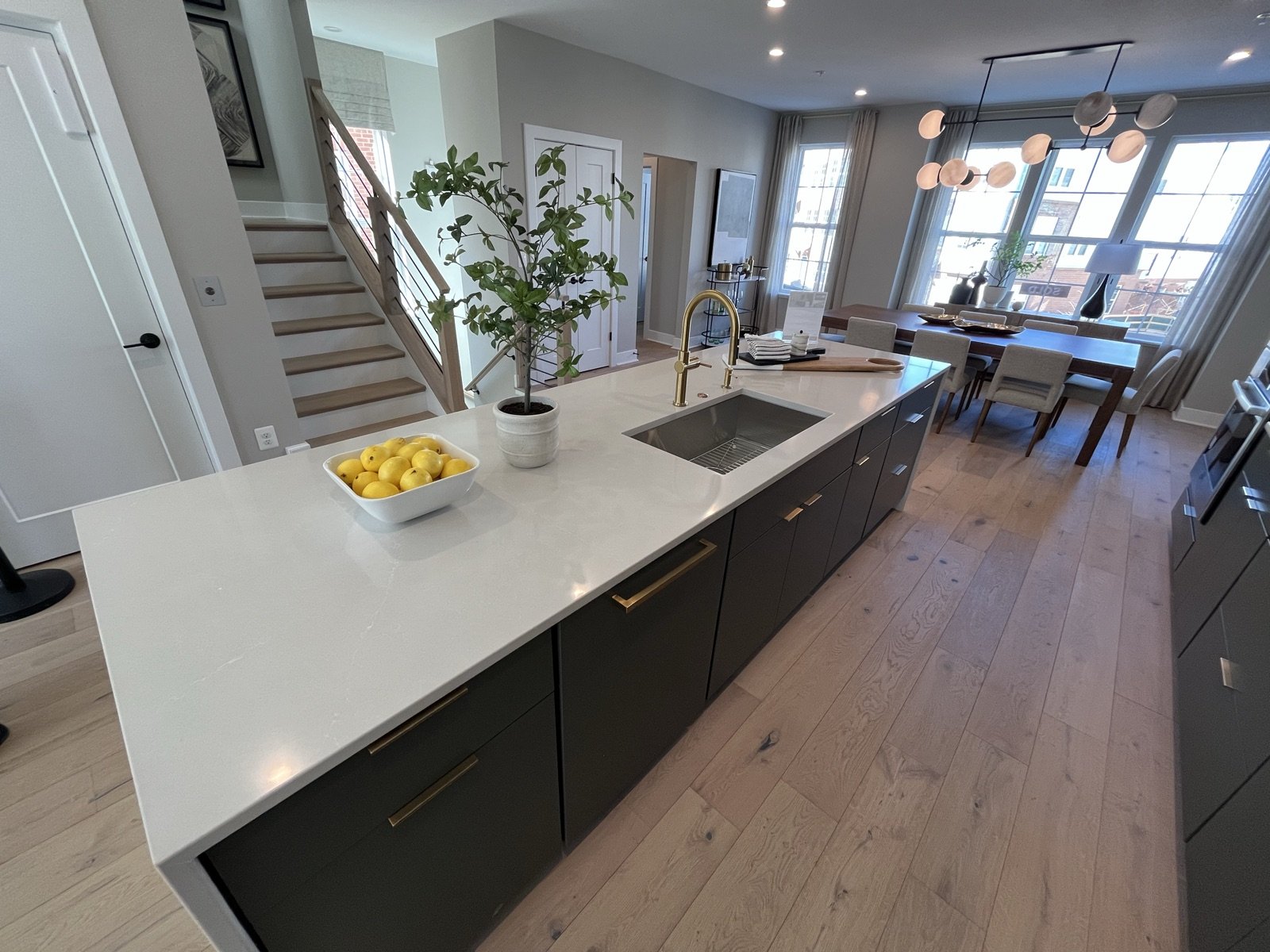
One of the most common questions we hear from homeowners is simple: do I need a permit to remodel? It's a good instinct to ask. Permits exist to make sure work is safe and up to code, and skipping a required one can cause real problems when you sell, insure, or refinance your home. Here's a plain-English overview for homeowners in Maryland and Montgomery County — including Bethesda, Chevy Chase, and the surrounding area.
This is general guidance, not legal advice. Requirements change and vary by jurisdiction; your contractor or local permitting office can confirm what your specific project needs.
Projects that typically require a permit
As a rule of thumb, work that affects the structure, systems, or safety of your home usually needs a permit. That commonly includes:
- Home additions and adding square footage
- Removing or altering walls (especially load-bearing walls)
- Finishing a basement or converting space into living area
- New or relocated electrical, plumbing, or gas lines
- Decks, and many structural or exterior changes
- Window and door changes that alter framing or egress
- Major HVAC work
Projects that often don't
Cosmetic and like-for-like work frequently doesn't require a permit — for example, painting, flooring, installing cabinets, or swapping a fixture in the same location. But "often" isn't "always," and the line can be surprisingly specific. When in doubt, confirm before you start.
Why permits are worth it — not a hassle to dodge
It can be tempting to skip the paperwork, but pulling the proper permit protects you:
- Safety and code compliance. Inspections catch issues before they become hazards.
- Insurance. Claims tied to unpermitted work can be denied.
- Resale. Unpermitted additions and finished spaces routinely surface during a sale and can derail or discount the deal.
- Peace of mind. You know the work was done and inspected correctly.
The cost of a permit is small next to the cost of unwinding unpermitted work later — or explaining it to a buyer's inspector.
Who pulls the permit — you or your contractor?
A reputable, licensed contractor handles permitting as part of the job. In Maryland, home improvement contractors are licensed through the Maryland Home Improvement Commission (MHIC), and a professional will manage the permit application, schedule inspections, and make sure the work passes. If a contractor suggests skipping permits to save time or money, treat it as a red flag.
The design-build advantage for permitting
Permitting delays are one of the most common ways projects stall. In a design-build approach, design, permitting, and construction live under one roof, so the plans that get drawn are the plans that get approved and built — with one team accountable for keeping the process moving.
Not sure whether your project needs a permit? That's part of what we sort out up front. Get a free estimate and we'll walk you through exactly what your remodel will require.